Solar Products in Pakistan: The 2026 Guide to Choosing Panels, Inverters and Batteries
Walk into any market from Lahore to Karachi and you will find a dizzying range of solar products in Pakistan — panels, inverters, batteries, optimisers, mounting kits, and monitoring gear from dozens of brands. Choosing well can save you hundreds of thousands of rupees over a system’s lifetime; choosing badly means breakdowns, voided warranties, and disappointing output. This 2026 guide cuts through the noise so you can buy with confidence.
The right solar products in Pakistan are the ones matched to your climate, your load, and your budget — not simply the cheapest sticker on the shelf. Let’s break the market down component by component, with the specifications that actually matter.
Solar Panels: What to Look For
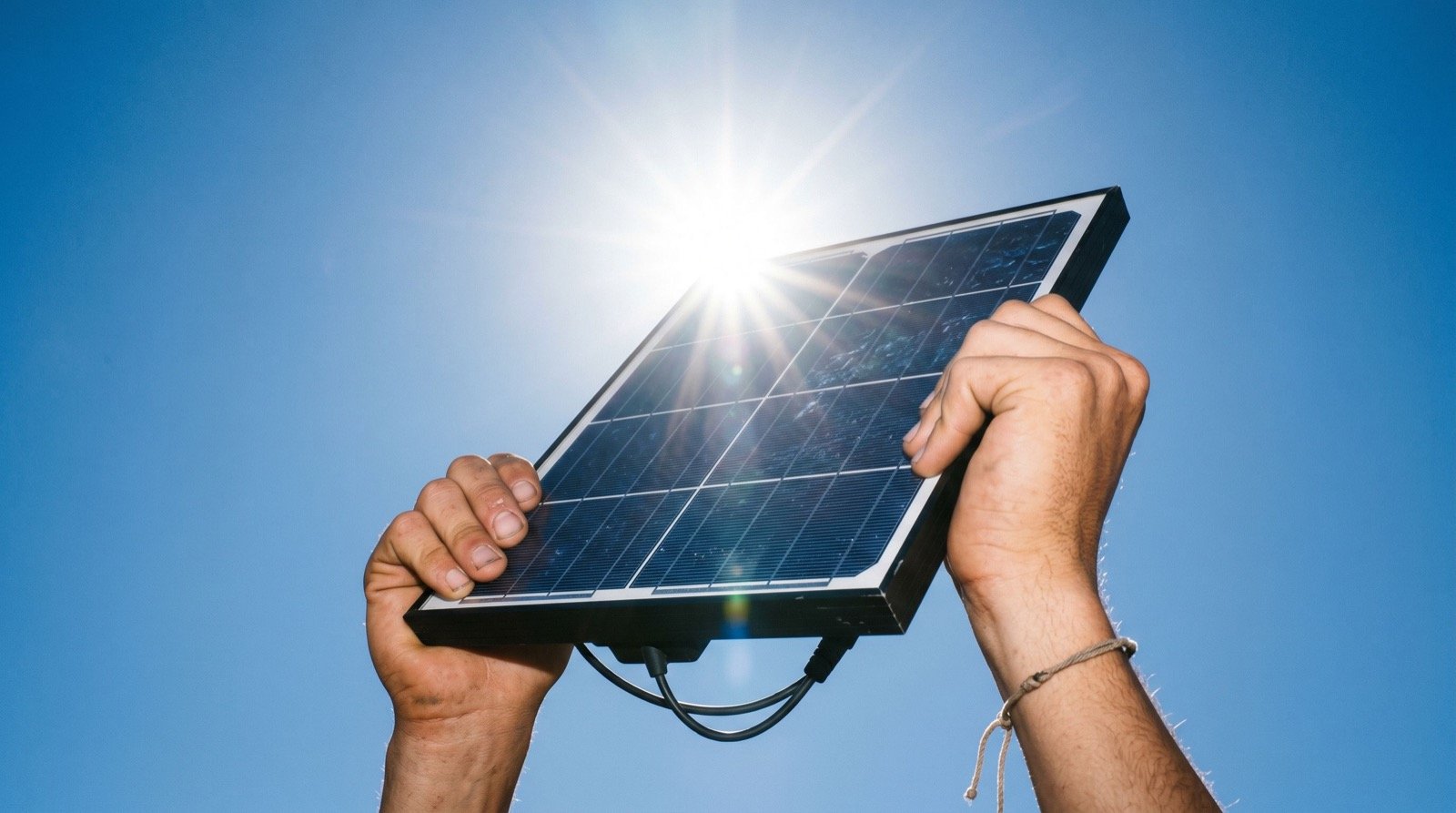
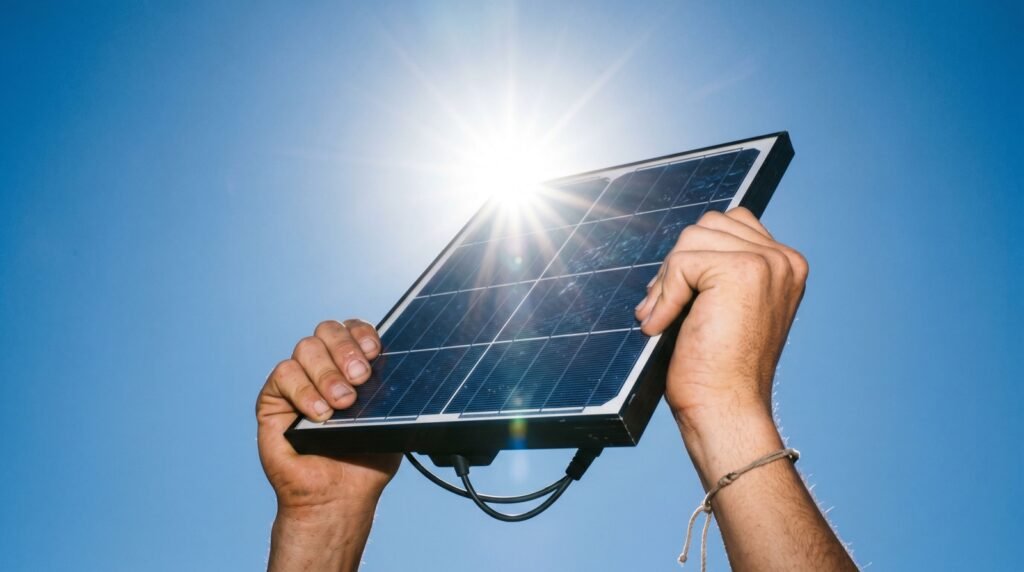
Panels are the most visible part of any system, and technology has moved fast. In 2026 the mainstream choice is high-wattage monocrystalline modules, typically 550W to 620W, using PERC or the newer N-type TOPCon cells.
Key panel specifications
- Efficiency: 21%+ for premium modules means more watts per square metre of roof.
- Temperature coefficient: Closer to zero is better for Pakistan’s heat; look for -0.30%/°C or gentler.
- Degradation rate: Tier-one panels lose under 0.5% output per year and carry a 25–30 year performance warranty.
- Certification: Insist on IEC 61215 and IEC 61730 certified modules with a verifiable serial number.
The US National Renewable Energy Laboratory (NREL) tracks record cell efficiencies, and the commercial gap between lab records and shop-floor modules keeps narrowing — which means today’s panels deliver more real-world energy per rupee than ever.
Inverters: The Brain of Your Solar System
If panels are the muscles, the inverter is the brain. It converts DC into usable AC, manages batteries, and talks to the grid. Pakistani buyers generally choose between three types:
| Inverter type | Best for | Battery support | Net metering |
|---|---|---|---|
| On-grid (string) | Bill reduction, grid-reliable areas | No | Yes |
| Hybrid | Bills + backup through load-shedding | Yes | Yes |
| Off-grid | Remote sites with no grid | Yes (required) | No |
For most Pakistani homes, a hybrid inverter is the sweet spot: it cuts bills via net metering on normal days and keeps the lights on during outages. Match the inverter’s surge rating to heavy loads like motors, pumps, and air-conditioner compressors.
Why the inverter deserves your biggest research effort
Inverters fail more often than panels because they do more work and generate heat. A reputable brand with local service centres and a 5–10 year warranty is worth paying extra for. A cheap inverter that dies in year three can take your whole system offline.
Batteries: Storing the Sun for After Dark
Storage is where the market has changed most. Lead-acid and tubular batteries still sell on low upfront price, but lithium iron phosphate (LiFePO4) now dominates serious installs for good reason.
- Cycle life: Lithium lasts 4,000–6,000 cycles versus roughly 1,000 for lead-acid.
- Depth of discharge: Lithium safely uses 90%+ of its capacity; lead-acid only about 50%.
- Maintenance: Lithium is sealed and maintenance-free; lead-acid needs topping up and ventilation.
- Heat tolerance: Lithium copes far better with Pakistan’s climate.
On a cost-per-usable-kWh-over-its-lifetime basis, lithium is usually cheaper despite the higher sticker price — the detail many first-time buyers overlook.
Where to Buy Solar Products in Pakistan Safely
Counterfeit and relabelled products are a real risk in any booming market. Protect yourself by buying from established sellers who provide genuine documentation and honour warranties. The best quality service providers publish datasheets, register your warranty with the manufacturer, and offer after-sales support rather than a one-time cash sale.
Regional availability matters too. If you are sourcing solar panels in Sialkot or any other city, confirm that stock is genuine tier-one, that serial numbers are scannable, and that the supplier will stand behind the product years from now.
A practical buyer’s checklist
- Scannable serial numbers on panels and inverter.
- Written warranty with the installer’s stamp AND the manufacturer’s registration.
- IEC/IP certifications visible on datasheets.
- Matched DC cable gauge and proper DC isolators (a common corner that gets cut).
- A monitoring app so you can verify real output from day one.
Mounting, Cabling and the “Invisible” Products
Buyers obsess over panels and forget the parts that quietly make or break a system. Mounting structures, DC cable, connectors, isolators, and surge protection are the “invisible” products, and they are where cheap installs cut corners most often.
In Pakistan’s climate, specify UV-resistant, correctly gauged DC cable so voltage drop and heat losses stay low over long roof runs. Insist on genuine MC4 connectors rather than loose copycats, which are a leading cause of hot spots and fire risk. Your mounting structure should be hot-dip galvanised steel or anodised aluminium — not painted mild steel that rusts within a couple of monsoon seasons.
Surge and lightning protection matters across much of the country, especially in open or coastal areas. A modest DC and AC surge-protection device costs little and can save an expensive inverter from a single storm. When you compare quotes, ask each seller to itemise these components; the honest ones already include them.
An Original Tip: Buy the System, Not the Parts
Here is what experienced installers know — components bought separately from the cheapest source for each rarely perform as a coordinated system. Mismatched inverter and battery communication, for instance, can disable smart charging entirely. Buy panels, inverter, and battery as an integrated, pre-validated package from one supplier, and you get a single warranty owner to call when something goes wrong. That accountability is worth more than any price saved by mixing brands.
Frequently Asked Questions
Which solar products in Pakistan offer the best value in 2026?
Tier-one N-type or PERC panels paired with a reputable hybrid inverter and LiFePO4 battery deliver the best lifetime value. The lowest sticker price rarely wins over 20 years once breakdowns and replacements are counted.
How long do solar products last?
Quality panels last 25–30 years, lithium batteries 10–15 years, and good inverters 10–12 years. Lower-tier products can fail far sooner, which is why certification and warranty matter.
Are imported or local products better?
What matters is tier-one manufacturing and genuine certification, not the country label. Many globally recognised brands are sold through authorised Pakistani distributors with local warranty support.
Do I need special products for net metering?
Yes — you need a grid-tied or hybrid inverter that supports export, plus a bi-directional meter approved by your DISCO. Off-grid-only inverters cannot do net metering.
Conclusion
Choosing the right solar products in Pakistan is the single biggest factor in whether your investment delights or disappoints. Prioritise certified tier-one panels, a reliable hybrid inverter, and lithium storage, and buy them as one accountable package. Talk to a trusted supplier today, request genuine datasheets and warranties, and build a system that pays you back for decades.